
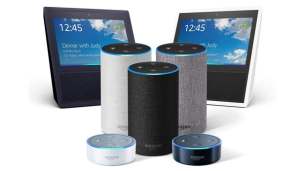
 “Alexa, what is the weather today?” or “Siri, how long will it take me to get to work today?” are common things we hear today. Now 16% (39 million) of Americans own a smart speaker and 500 million users use Siri. Isn’t that crazy? It has spread like wildfire and will likely become more and more common worldwide.
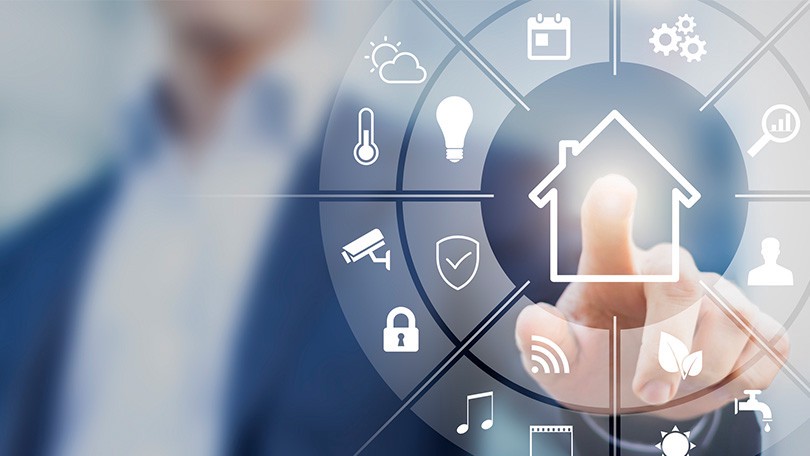
Smart devices have not only become more popular as a way to communicate and get questions answered, but are expanding into the whole home accessories market with smart lights, locks and other devices that are supposed to be controlled from your phone or a central station in your house.
 For consumers this opens new possibilities in terms of letting people in while they’re gone, checking on who is outside from their phone, changing and setting up lights to go at a specific time, etc. It also however, comes with security risks since all those smart devices are usually connected to WiFi. It is based on the assumption that users have a strong WiFi key. There was an incident with Phillips smart lights and also another app for home locks called Nest, where remote control was unavailable to users for some time.
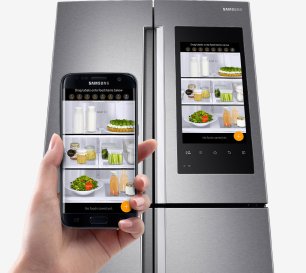 On the other hand, it can also help in the future to have more smart applications in the home. As an example, a smart fridge might be able to tell if your milk is spoiled, you’re running out of coffee and order it automatically to be delivered to your doorstep the next day. Further, a smart toilet might be able to realize and tell you if you are getting sick or should see a doctor. While this might sound like too much information, it can also be helpful for doctors and scientists as they might find out early signs of diseases that they never knew were connected to that disease. And with that maybe some illnesses can be prevented or treated earlier.
 There is a project called Hudson Yards in New York that is all about building smart homes as well as a shopping mall in the city. It would be the perfect place to test all of these ideas. However, if you move in there you do have to give up your rights to the data and let them have it in order to get the amenities of the building. This might seem intruding but I am sure there are a lot of people who don’t mind it and want to have a smart home.
For marketers, having a smart home’s information and data on the people living there can also be very beneficial. A building with elevators equipped with big screens has the potential for advertising. And very targeted ads as well since they would have all the data of the people living on a specific floor or even apartment. This would be a huge opportunity to study consumer behavior more!
Of course the costs would have to go down more for all those things in order to have more people use it and be able to collect more data. Also, it obviously comes with security and privacy issues. But I think we can see how this could change a lot in everyone’s life and for a lot of markets.

 BeeMarketing