
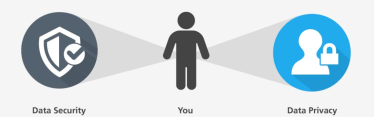
 Security and control are one of the most important components for any business but especially e-commerce when customers are making transactions online. If we want to buy something from an online store, we want our information to be secure and prevent it from being stolen by hackers. Sellers want the same kind of security. Both, sellers and buyers always want control over their information as well as have transparency when it comes to figuring out where something went wrong in the buying/selling process.
Currently there are a lot of sites that have HTTPS, which means that other than HTTP websites, here the messages or any kind of communication between your browser and the website are encrypted. An example how encryption is successfully done is by using public key cryptography, hash digest as well as a digital signature in order to ensure that messages are not readable by other people as well as that the information has not ben tampered with. However, there are many ways and tools to make your website more secure.
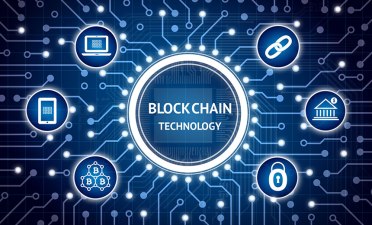 The newest development in this industry has been Blockchain, which is a digital ledger in which transactions are made and recorded publicly. With it we can secure anonymity, stop the threat of hackers, transparency and give consumers back their control over their identity.
At the end of the day it is mostly buyers that want to know where the product or items they buy come from. Companies that buy parts for their products to assemble, want to know when and where it came from, who worked on it. Buyers of the end product want to know as well if claims about fair trade and minimum pay are true, if the coffee beans truly come from Hawaii or other products were really made in a specific country, if really no GMOs were used, etc.
But suppliers should also see the benefit of transparency of this level. Only if they give this information to the next buyer, will the buyer truly be able to trust the company and have more reason to work with them long term, perhaps make a better deal.
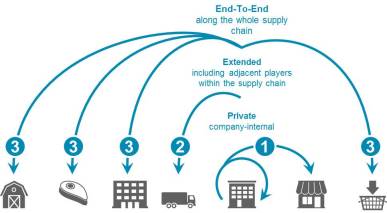 The whole buying process can be made transparent and with that more efficient. If every company used Blockchain in their supply chain, they could identify faults and errors from the very start of the process and make changes accordingly. Parts of the chain and even specific departments can be held accountable when there are certain problems that are reoccurring like theft or breakage.
The main problem I see for this to come into fruition is figuring out a way to scan each part or product since it will be repackaged and also the implementation of the tools used into each step of the process. For the product scan, it would be best if every product has a unique code, perhaps a NFC sticker with a RFID tag could work, to connect it to blockchain with information about the product and conditions and to easily scan it through boxes without having to go through each product that arrives.
Those tools to scan and upload the information to blockchain need to be implemented into each step, which can be costly for each party as well as warehouses, trucks, etc have to be modified and tested to see if this could work accurately.
If this can be figured out, blockchain definitely presents a game changer in any industry for both, sellers and buyers as well as end consumers.

 BeeMarketing